
Sub-Total: $0.00
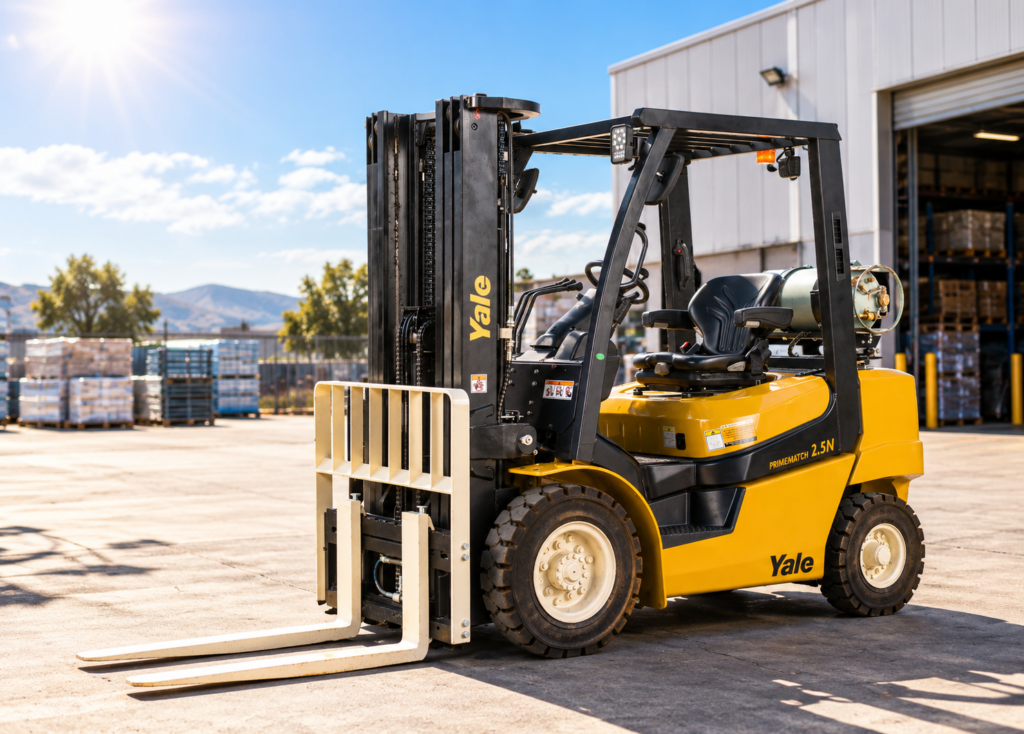
Summer Forklift Maintenance: Keep Your Fleet and Team Safe
As summer approaches in New Zealand, it’s a good time to prepare your forklifts and your team for the warmer months ahead.
Hot weather can put additional demands on equipment, particularly when forklifts are working long shifts, operating outdoors or moving heavy loads in busy environments. At the same time, higher temperatures can affect operator comfort, concentration and safety.
A little preparation now can help you identify potential maintenance issues, reduce unexpected downtime and keep your workplace running smoothly throughout summer.
Whether you operate electric, LPG or diesel forklifts, here are some practical summer forklift maintenance and safety tips to help you get ready for the season.
1. Understand how summer heat affects forklifts
Forklifts are designed to work in demanding environments, but high temperatures can place extra demands on certain components.
Cooling systems need to work effectively, hydraulic systems must operate within their specified temperature ranges, and electric forklift batteries need to be used and charged according to the manufacturer’s recommendations.
Dust, debris and heavy workloads can add to these demands, particularly in warehouses, yards and outdoor operations.
Keep an eye out for warning signs such as:
- Engine temperature warnings or signs of overheating
- Unusual noises or changes in performance
- Fluid leaks or damaged hoses
- Hydraulic functions operating differently than usual
- Battery temperature warnings or other fault indicators
If you notice a warning or suspect a forklift is overheating, stop using the equipment safely and follow the manufacturer’s procedures. Never remove a radiator cap while the system is hot. Allow the machine to cool and arrange a qualified assessment where necessary.
Addressing problems early can help prevent a minor issue from becoming a more serious repair.
2. Give your forklift cooling system some attention
For diesel, LPG and other internal combustion forklifts, the cooling system is particularly important during warmer weather.
Radiators and cooling components can accumulate dust, dirt and debris, restricting airflow and reducing cooling effectiveness.
Before summer, arrange for the cooling system to be inspected as part of your scheduled forklift servicing. Depending on the model and manufacturer’s recommendations, this may include checking:
- Coolant levels and condition
- Radiator and cooling fins for blockages
- Hoses and connections for damage or leaks
- Belts and other associated components
- Cooling fans and related systems
Keep air intakes and cooling areas clear in accordance with the manufacturer’s instructions. Cleaning should be carried out safely, using the appropriate method for the equipment.
If a forklift regularly operates at high temperatures, don’t ignore the problem or continue operating it in the hope that it will resolve itself. Have it checked by a qualified technician.
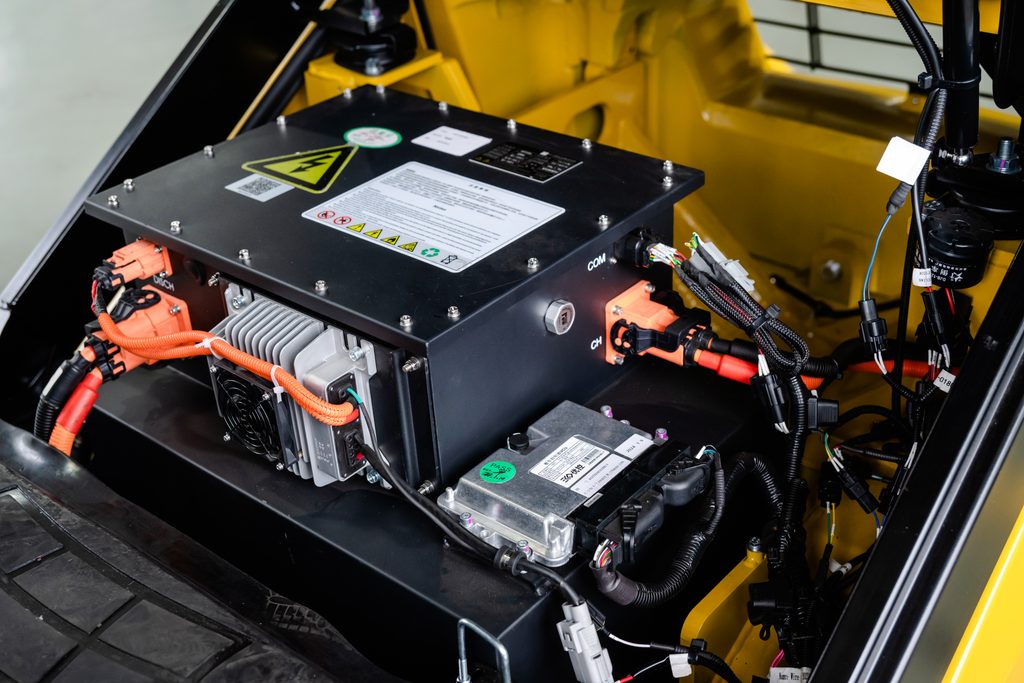
3. Look after electric forklift batteries
Electric forklifts are a popular choice for many New Zealand operations, offering benefits such as quiet operation and no exhaust emissions at the point of use. However, battery care remains important throughout the year, including summer.
Excessive heat can affect battery performance and lifespan, with the impact depending on the battery chemistry, operating conditions and charging system.
To help look after your electric forklift batteries:
- Follow the manufacturer’s charging and maintenance instructions.
- Keep batteries, connectors and charging equipment clean and in good condition.
- Inspect charging cables and connectors for visible damage.
- Use the correct charger and approved charging procedures.
- Keep charging areas suitably ventilated and free from unnecessary obstructions.
- Pay attention to battery temperature warnings and other fault indicators.
Lithium-ion and lead-acid batteries have different maintenance and charging requirements, so always follow the guidance for your particular equipment.
If your operation uses opportunity charging, make sure operators understand the correct procedure and that charging takes place in an appropriate area.
If a battery or charger shows signs of overheating, damage or unusual behaviour, follow the manufacturer’s safety instructions and seek advice from a suitably qualified technician.
4. Check tyres, brakes and steering
Tyres, brakes and steering are essential to safe forklift operation in every season.
Summer is a good opportunity to check their condition, particularly if your forklifts work outdoors, travel over uneven surfaces or operate for extended periods.
During daily pre-start inspections, operators should check for:
- Excessive or uneven tyre wear
- Cuts, cracks or other visible tyre damage
- Wheel damage or loose components
- Changes in braking performance
- Stiff steering or excessive steering play
- Unusual noises or vibrations
Tyre requirements differ between pneumatic and cushion tyres, so checks should reflect the type fitted to your forklift.
Don’t overlook changes in handling or braking performance. If a fault could affect safe operation, take the forklift out of service until it has been assessed and repaired appropriately.
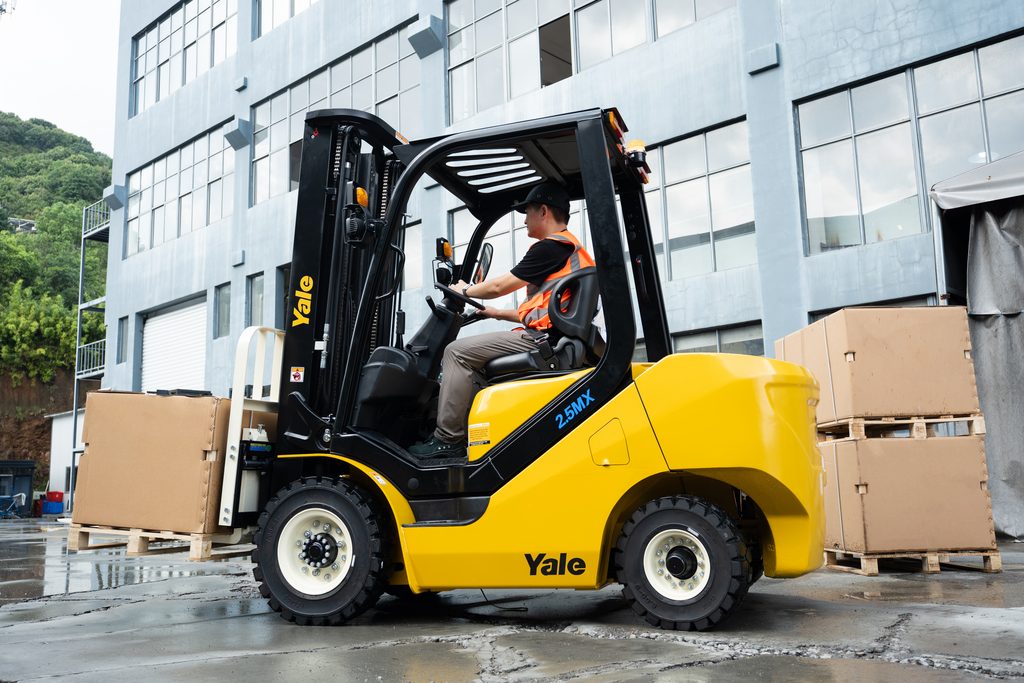
5. Inspect hydraulics, fluid levels and safety equipment
Hydraulic systems work hard when forklifts are regularly lifting and moving loads. Before the busy summer period, check that your maintenance schedule is up to date and that any reported issues have been addressed.
Depending on the forklift, its operating hours and the manufacturer’s recommendations, servicing may include inspections of hydraulic hoses, fittings, cylinders, fluid levels and other key components.
It’s also important to check safety equipment, including:
- Horns and warning alarms
- Headlights and work lights
- Reversing alarms and warning systems, where fitted
- Seat belts and operator restraints
- Mirrors and cameras, where fitted
- Forks, mast, chains and lifting components
These checks help identify faults that could affect safe operation. Daily pre-start checks remain essential, even when a forklift has recently been serviced.
6. Keep forklift operators safe in the heat
Looking after your equipment is only part of summer preparation. Your people need attention, too.
Hot working conditions can contribute to dehydration, fatigue and heat-related illness. These can affect concentration and decision-making, which is particularly important when operating forklifts around pedestrians, racking and other machinery.
Practical ways to help protect your team include:
Encourage regular hydration. Make cool drinking water, with or without electrolytes, readily available and encourage workers to drink regularly throughout their shifts.
Provide suitable rest breaks. Consider the temperature, workload, physical demands and time spent outdoors when planning work and recovery breaks.
Improve ventilation where possible. Review airflow and cooling in warehouses, enclosed work areas and operator compartments, where appropriate.
Provide shade and sun protection. Workers operating outdoors should have access to shaded rest areas and suitable sun protection.
Manage workloads sensibly. Where practical, consider scheduling demanding tasks for cooler parts of the day and rotating tasks when conditions warrant it.
Recognise the signs of heat stress. Headache, dizziness, nausea, weakness, heavy sweating and unusual fatigue can be warning signs. Confusion, collapse or altered consciousness may indicate a medical emergency.
If someone becomes unwell in the heat, stop work, move them to a cooler area and seek appropriate medical assistance.
Employers should assess heat-related risks for their particular workplace and put appropriate controls in place. Don’t rely on hydration alone to manage excessive heat.
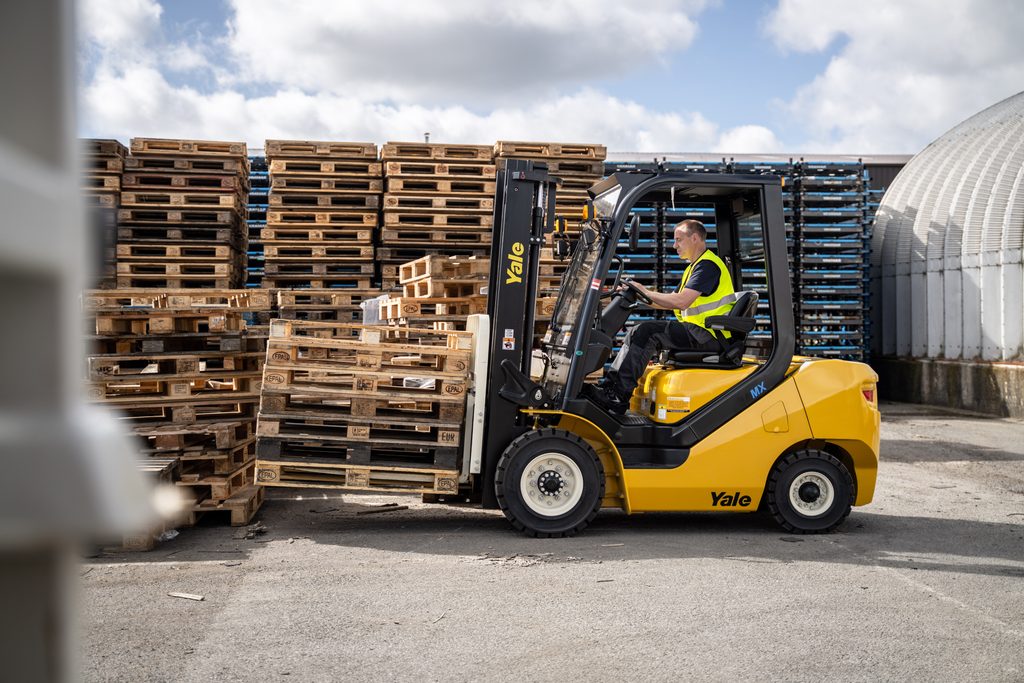
7. Review your forklift maintenance schedule before summer
A pre-summer service is an opportunity to review your fleet’s overall condition before workloads or operating hours increase.
Ask yourself:
- Are any forklifts overdue for servicing?
- Have operators reported recurring faults?
- Are there any outstanding repairs?
- Are the busiest forklifts receiving the maintenance they need?
- Are batteries and charging equipment being maintained correctly?
- Do you have a plan for servicing equipment without disrupting operations?
Preventative maintenance can help identify developing issues, support equipment reliability and make it easier to plan repairs around your operation.
For businesses managing multiple forklifts, reviewing service records and operating hours can also help identify machines that may need additional attention.
If you’re unsure when your forklifts are due for their next service, your service provider can help you review the maintenance schedule.
8. Plan ahead to minimise summer downtime
An unexpected forklift breakdown can affect much more than the machine itself. It can slow warehouse movements, disrupt deliveries and put additional pressure on the rest of your fleet.
Planning maintenance before problems develop gives you a better opportunity to organise repairs and reduce disruption.
Consider whether your current fleet is suitable for your summer workload, whether servicing is up to date and whether any recurring issues need to be addressed.
For larger operations, fleet management tools can also provide useful information about equipment utilisation, operating hours and maintenance requirements, depending on the system installed.
The aim is to keep your equipment fit for purpose and your operation prepared for the months ahead.
Is your forklift ready for summer?
Summer preparation doesn’t need to be complicated. Regular pre-start checks, correct battery care, attention to cooling systems and timely servicing can all play an important role in maintaining forklift reliability.
Just as importantly, making sure your team has access to water, suitable rest breaks and a safe working environment helps support their wellbeing during warmer conditions.
Don’t wait for a breakdown to disrupt your operation.
At Yale Forklifts NZ, we can help you plan servicing and preventative maintenance to suit your equipment and operational requirements. With genuine Yale parts and service support through our New Zealand network, we’re here to help keep your material handling equipment moving.
Get in touch with Yale Forklifts NZ to discuss your forklift servicing requirements and get your fleet ready for summer.
Up Your Game with Yale Forklifts NZ.

OUR PRODUCTS
CONNECT WITH US
CUSTOMER SERVICE
CONTACT US
Head Office: 09 268 4610
10 Marphona Crescent, Takanini,
Auckland 2105
PO Box 97156, Manukau City,
Auckland 2241
Te Puke Branch (07) 281 1870
6 Te Puke Quarry Road, Te Puke 3183
Open Mon-Fri 8am-6pm
Weekends & other times by appointment
SIGN UP TO OUR REGULAR EMAIL
Be first to know about our New & Used vehicles, our material handling solutions, and promotions.
© Copyright 2026 SG EQUIPMENT All Rights Reserved.