
Sub-Total: $0.00
20 Essential Forklift Safety Tips Every Operator Should Know
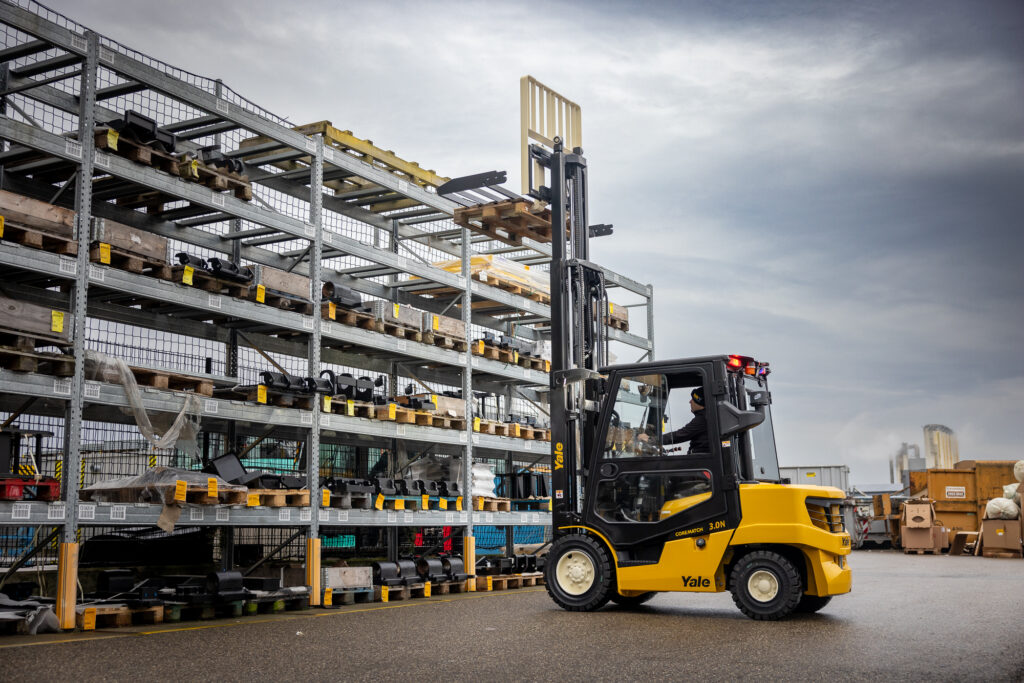
Warehouse safety starts with well-maintained equipment, trained operators, and safe working practices.
Whether you operate electric forklifts, LPG forklifts, diesel forklifts, or other material handling equipment, following forklift safety procedures is essential to protecting your people, equipment, and business.
At Yale Forklifts NZ, we work with businesses across New Zealand to improve forklift safety, reduce downtime, and maximise productivity through equipment servicing, operator support, and warehouse efficiency reviews.
Here are our top 20 forklift safety tips every operator should follow.
1. Ensure Only Qualified Operators Use Forklifts
Forklifts should only be operated by trained, authorised personnel.
Operators must hold the appropriate Forklift Operator Certificate, and anyone driving on public roads must also hold a Class 1 driver’s licence with an F endorsement.
Regular refresher training helps maintain safe operating practices and compliance with New Zealand health and safety requirements.
2. Wear Appropriate Personal Protective Equipment (PPE)
Always wear suitable PPE before operating a forklift, including:
- High-visibility clothing
- Safety footwear
- Hard hats – where required
- Any additional site-specific safety equipment
Loose clothing should be avoided as it can interfere with controls or become caught in moving parts.
3. Complete Daily Forklift Inspections
Before every shift, inspect your forklift to ensure it will run safely, check:
- Tyres
- Forks
- Mast
- Hydraulic hoses
- Lights
- Warning alarms
- Brakes
- Steering
- Battery or fuel systems
Never operate equipment that requires repairs.
Routine servicing by qualified forklift technicians helps minimise downtime, reduce repair costs, and extend equipment life.
Yale Forklifts NZ offers preventative maintenance programs tailored to your fleet, helping ensure your forklifts remain safe, compliant, and productive.
4. Set Up Your Forklift Before Driving
Before moving:
- Adjust your seat and mirrors
- Fasten your seatbelt
- Ensure all controls are within easy reach
- Confirm safety systems are operational
Always maintain three points of contact when entering or exiting the forklift.
5. Understand Your Operating Environment
Stay alert to:
- Pedestrian walkways
- Blind corners
- Loading zones
- Restricted areas
- Site speed limits
Only operate forklifts in designated areas and always obey workplace signage.
6. Drive at a Safe Speed
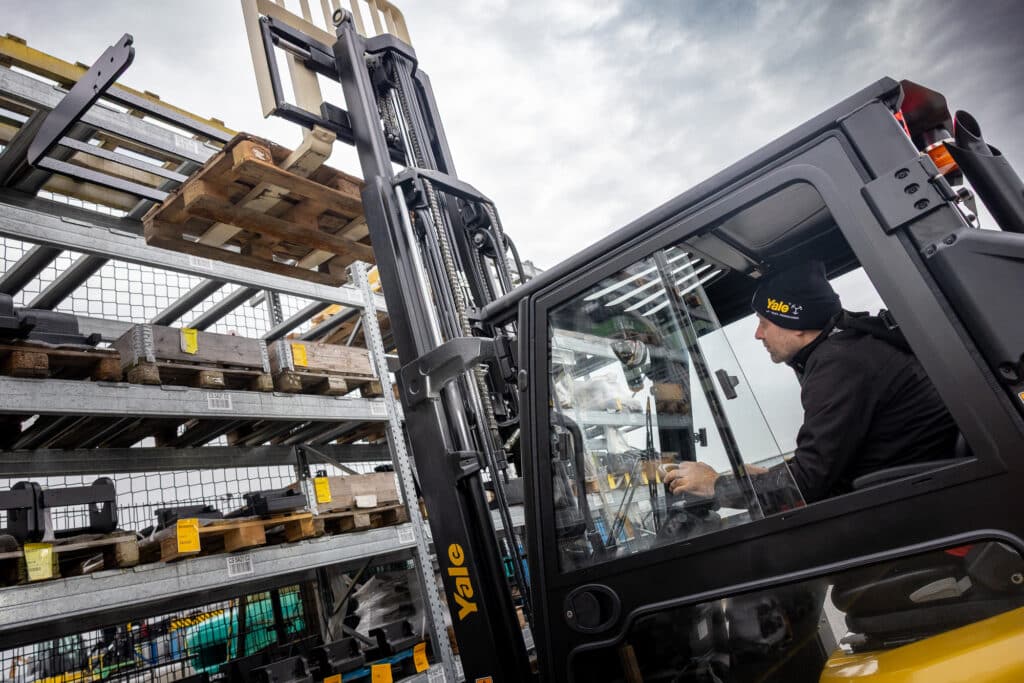
Excessive speed is one of the leading causes of forklift incidents.
Always:
- Slow down around corners
- Avoid sudden acceleration
- Brake smoothly
- Reduce speed on uneven surfaces
Many Yale forklifts feature adaptive speed controls to improve stability and reduce rollover risk.
7. Watch for Hazards
Remain alert for:
- Loose debris
- Wet or slippery floors
- Uneven ground
- Overhead obstructions
- Pedestrians
- Other vehicles
Use your horn when approaching intersections, doorways, and blind corners.
8. Maintain a Safe Following Distance
Keep adequate space between your forklift and other vehicles.
Allow enough stopping distance and never assume another operator will behave predictably.
9. Handle Loads Safely
Before lifting:
- Confirm the load is stable
- Check pallet condition
- Centre the load evenly across both forks
- Tilt the mast back slightly before travelling
Never travel with raised forks unless positioning a load.
10. Maintain Good Visibility
Travel with loads as low as practical.
If the load blocks your view:
- Use a spotter if required
- Stop immediately if visibility becomes unsafe
11. Use Forklifts Only for Their Intended Purpose
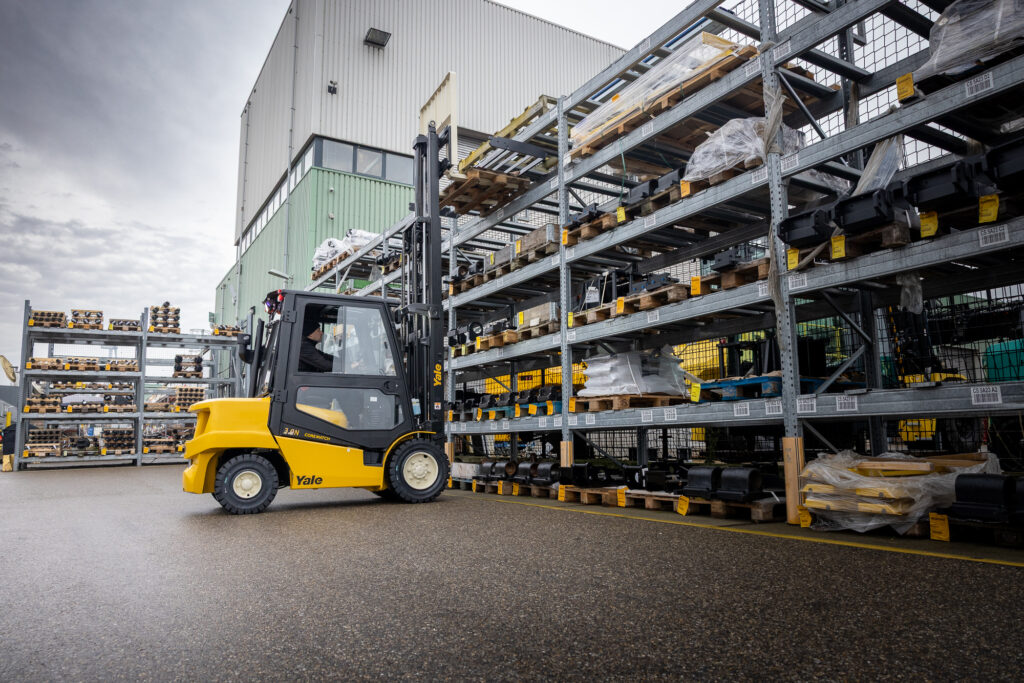
Forklifts are designed to move material – not people.
Never carry passengers unless the equipment is specifically designed to do so, and only use approved work platforms when lifting personnel.
12. Keep Clear of Raised Loads
Never allow anyone beneath:
- Raised forks
- Elevated loads
- Mast assemblies
A falling load can cause serious injury or death.
13. Operate Safely on Ramps
When carrying loads:
- Travel forwards uphill
- Reverse downhill
- Avoid turning on ramps
- Never load or unload while on an incline
14. Secure Every Load
Before travelling:
- Confirm loads are balanced
- Use restraints where necessary
- Secure long or awkward items
- Watch for shifting loads
15. Never Exceed the Forklift’s Rated Capacity
Understand your forklift’s load capacity and attachment ratings.
Overloading increases the risk of:
- Tip-overs
- Equipment damage
- Product damage
- Operator injury
16. Distribute Loads Evenly
Always:
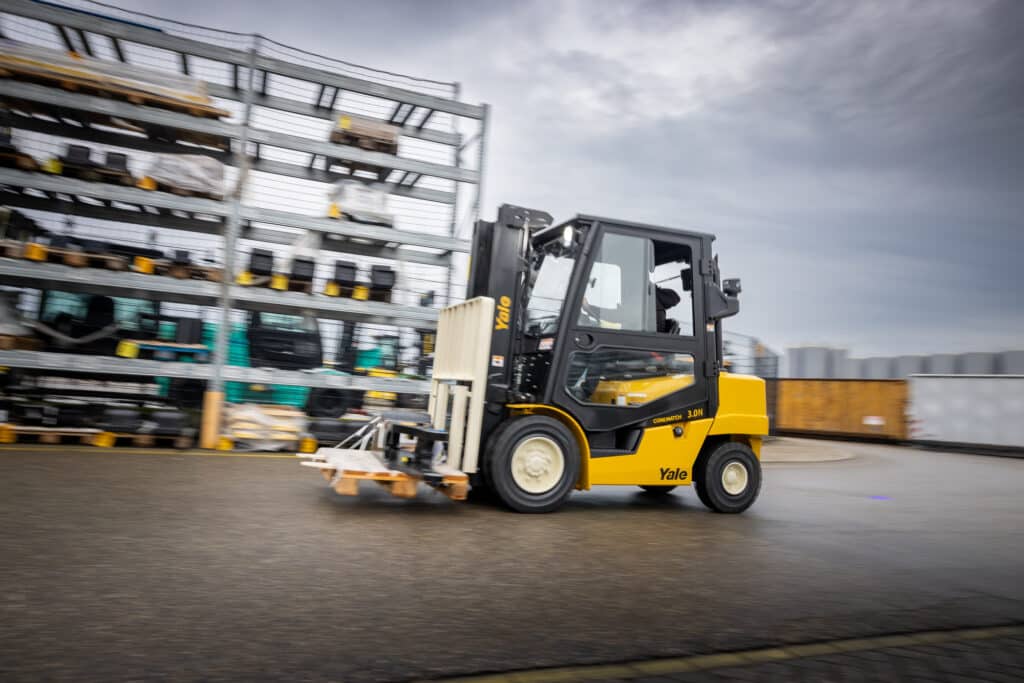
- Position both forks fully beneath the load
- Use suitable pallets
- Avoid damaged pallets
- Never lift using a single fork
17. Take Extra Care with Unusual Loads
Large, long, or irregular loads require:
- Slower travel
- Wider turning circles
- Assistance from spotters where required
18. Stay Aware of Changing Conditions
Warehouse environments constantly change.
Pay attention to:
- Temporary hazards
- Floor load limits
- Dock edges
- Clearance heights
- Traffic management systems
19. Recharge and Refuel Safely
Always recharge batteries or refuel forklifts in designated areas.
Ensure:
- Equipment is switched off
- The area is well ventilated
- No ignition sources are present
Follow your workplace procedures at all times.
20. Park Your Forklift Correctly
At the end of every shift:
- Park in the designated area
- Lower forks completely
- Apply the park brake
- Turn off the ignition
- Remove the key
Safe parking helps prevent unauthorised use and workplace incidents.
How Yale Forklifts NZ Can Help Improve Forklift Safety
Forklift safety extends beyond operator training.
Regular servicing, preventative maintenance, and modern safety technology all play an important role in reducing workplace risks and improving productivity.
Yale Forklifts NZ provides:
- Preventative forklift servicing
- Mobile maintenance technicians
- Genuine Yale forklift parts
- Fleet management solutions
- Warehouse efficiency assessments
- Forklift rentals and leasing
- New and used forklifts
- Nationwide support across New Zealand
Whether you’re managing a single forklift or an entire fleet, our experienced team can help keep your equipment operating safely, efficiently, and reliably.
Request Your Complimentary Warehouse Efficiency Assessment
Our complimentary warehouse efficiency assessment helps identify opportunities to improve forklift safety, reduce downtime, and increase operational efficiency.
We’ll assess your current fleet, warehouse layout, and material handling processes, then provide practical recommendations tailored to your business.
Contact Yale Forklifts NZ today to arrange your free warehouse efficiency assessment and discover how we can help keep your operation safe, productive, and moving.
Additional Forklift Safety Resources
For further guidance on forklift safety, operator training, warehouse traffic management, and material handling best practices, visit the official WorkSafe New Zealand resources:
- WorkSafe NZ – Forklifts
- WorkSafe NZ – Forklift Training
- WorkSafe NZ – Working Safely with Pallet Racking Systems
- WorkSafe NZ – Manual Handling

Disclaimer: This guide provides general forklift safety information only and should be used alongside your workplace health and safety procedures, operator training, equipment manuals, and current WorkSafe New Zealand guidance.
OUR PRODUCTS
CONNECT WITH US
CUSTOMER SERVICE
CONTACT US
Head Office: 09 268 4610
10 Marphona Crescent, Takanini,
Auckland 2105
PO Box 97156, Manukau City,
Auckland 2241
Te Puke Branch (07) 281 1870
6 Te Puke Quarry Road, Te Puke 3183
Open Mon-Fri 8am-6pm
Weekends & other times by appointment
SIGN UP TO OUR REGULAR EMAIL
Be first to know about our New & Used vehicles, our material handling solutions, and promotions.
© Copyright 2026 SG EQUIPMENT All Rights Reserved.