
Sub-Total: $0.00
Winter Forklift Safety:
Simple Ways to Keep Your Operation Moving
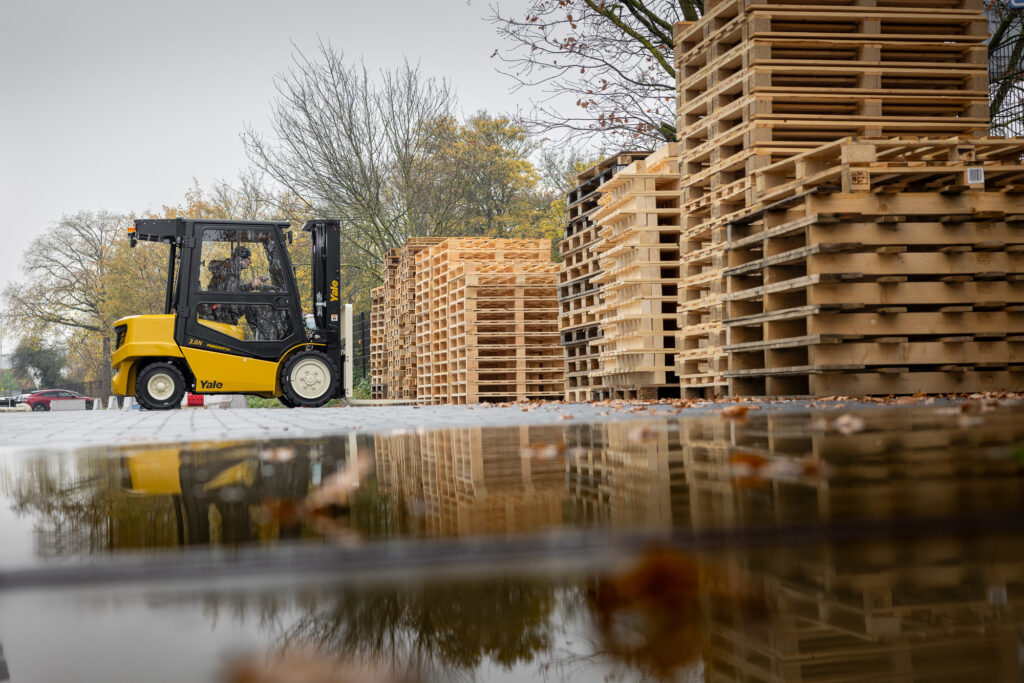
Winter can be tough on people, equipment, and busy worksites. Your forklift fleet is no exception.
Cold mornings, wet surfaces, and shorter daylight hours can create extra challenges across warehouses, yards, and loading areas. Even small weather changes can affect visibility, traction, and equipment performance.
The good news is that a few simple checks and good operating habits can make a big difference.
With the right preparation, you can help keep your team safe, reduce downtime, and protect your equipment during the colder months.
Why Winter Conditions Create More Risk
Winter conditions often increase the chances of workplace incidents. Rainwater, condensation, and mud can quickly create slippery surfaces around your site.
Your forklift may also take longer to stop in wet conditions. Reduced traction can affect steering and braking performance, especially when carrying loads.
Visibility can also become a problem during winter.
Darker mornings and evenings make it harder for operators and pedestrians to see each other clearly.
Foggy windscreens, poor lighting, and blind spots can increase the risk of accidents.
Cold temperatures can also affect forklift components over time. Batteries, tyres, hydraulics, and electrical systems may not perform as efficiently during colder weather.
That is why winter is the ideal time to review your forklift maintenance and safety procedures.
Start Every Shift With A Proper Forklift Check
Daily pre-start checks become even more important during winter.
A quick inspection can help identify small problems before they become expensive repairs or safety risks.
Before operating your forklift, check:
- Tyres for wear or damage
- Lights and warning systems
- Brakes and steering response
- Hydraulic hoses and fittings
- Battery charge levels
- Windscreens and mirrors
You should also ensure all safety lighting and alarms are working correctly.
Blue lights, red zone lights, and reversing alarms can help improve awareness around moving forklifts.
If something does not seem right, do not ignore it. Small issues can quickly become larger problems during winter conditions.
Slow Down And Drive To The Conditions
One of the simplest winter forklift safety tips is also one of the most important. Slow down.
Wet surfaces can reduce grip and increase stopping distances. Sharp turns, sudden braking, or carrying loads too quickly can increase the risk of slipping or tipping.
You should always drive your forklift to match the conditions around you.
Take extra care around:
- Loading docks
- Entryways exposed to rain
- Outdoor yards
- Ramps and uneven surfaces
- Shared pedestrian areas
Keeping loads low while travelling can also improve stability and visibility.
Winter is not the time to rush. A few extra seconds can help prevent injuries, damaged stock, and costly downtime.
Don’t Forget About Forklift Batteries
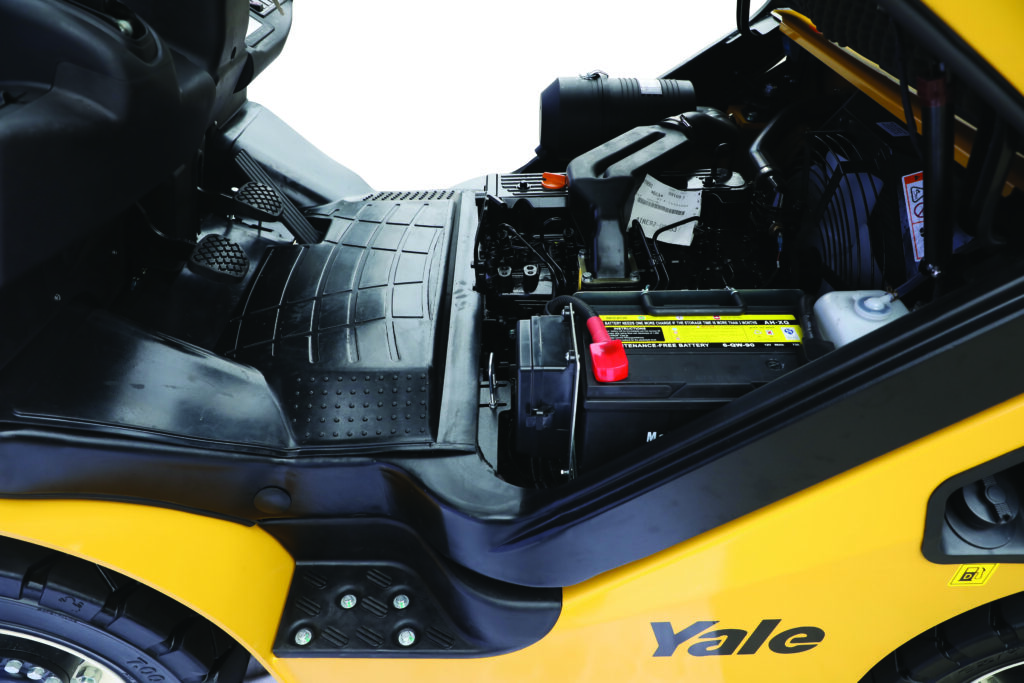
Battery performance often changes during colder weather, especially for electric forklifts.
Low temperatures can reduce charging efficiency and operating time.
If batteries are not maintained properly, your forklift may not perform as expected during busy shifts.
To help maintain battery performance during winter:
- Charge batteries fully
- Keep charging areas clean and dry
- Follow manufacturer charging guidelines
- Inspect cables and connectors regularly
If your electric forklift is losing performance quickly, it may be time for a battery inspection or service check.
Regular maintenance can help avoid unexpected breakdowns during colder months.
Winter Maintenance Helps Prevent Downtime
A well-maintained forklift is usually a safer forklift.
Winter can place extra strain on your equipment, making preventative servicing more important than ever.
Regular maintenance helps identify worn components before they fail. It can also improve reliability during busy periods.
A winter forklift service may include:
- Brake inspections
- Hydraulic system checks
- Tyre replacement
- Battery testing
- Safety lighting checks
- Fluid and filter inspections
Keeping your forklift maintained can help extend equipment life and reduce repair costs over time.
It also gives operators greater confidence while working in difficult conditions.
Visibility Matters More During Winter
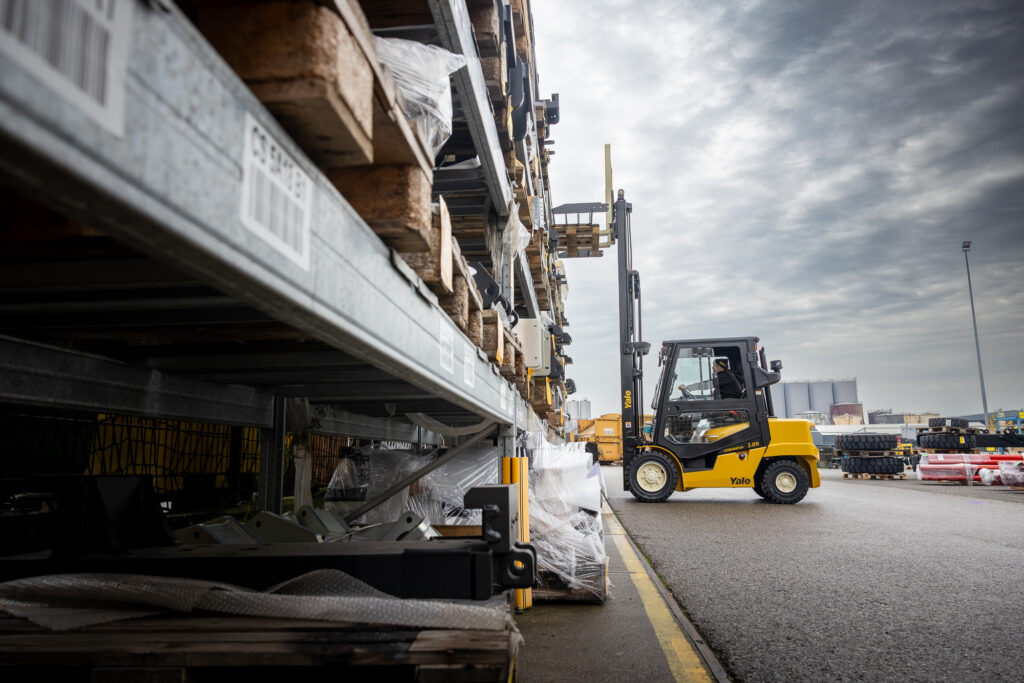
Shorter daylight hours mean visibility becomes a bigger issue during winter.
Forklift safety lighting can help improve awareness around moving equipment, especially in busy warehouse environments.
Blue spotlights project warning lights onto the floor behind the forklift. Red zone lights help create visible exclusion zones around the machine.
These systems can help pedestrians recognise forklift movement earlier and stay clear of operating areas.
Good visibility is not only important for operators. It also helps protect everyone else working nearby.
Simple upgrades can often make a big difference to workplace safety.
Keep An Eye On Cooling Systems
Cold weather can place extra pressure on your forklift cooling system. That is why coolant checks matter during winter.
You should regularly inspect coolant levels and ensure antifreeze strength is suitable for your operating conditions.
Incorrect coolant dilution can affect performance and increase the risk of damage during colder temperatures.
If your forklift is working harder during winter, the cooling system needs to perform properly to avoid unnecessary strain on the engine.
A quick inspection now can help prevent costly repairs later.
Fluids And Lubrication Matter More In Winter
Winter temperatures can affect the way fluids move through your forklift.
Hydraulic oil, engine oil, and transmission fluids may become thicker in colder conditions.
Using the correct oil viscosity for your environment helps your forklift operate smoothly and efficiently.
You should also check all fluid levels regularly during winter, including:
- Hydraulic oil
- Engine oil
- Brake fluid
- Coolant
- Transmission fluid
Low or contaminated fluids can increase wear on components and reduce forklift performance.
Routine servicing helps keep everything operating as it should.
Tyres Play A Bigger Role During Winter
Your forklift tyres are one of the most important safety components on the machine.
Cold weather can reduce tyre pressure, affecting stability, traction, and handling.
Wet surfaces can also make worn tyres even more dangerous.
Take time to inspect:
- Tyre pressure
- Tread condition
- Signs of damage or uneven wear
Good tread depth helps improve grip on slippery surfaces and gives operators greater control during winter conditions.
If tyres are showing excessive wear, replacement may help improve both safety and performance.
Inspection And Cleaning Should Never Be Skipped
Winter conditions can hide problems that may become larger over time.
Regular forklift inspections help identify leaks, damaged components, or safety concerns before they cause downtime.
Operators should look for:
- Oil leaks
- Water leaks
- Damaged hoses or fittings
- Loose components
- Excess dirt or debris build-up
Keeping your forklift clean also makes inspections easier and helps protect important components from wear.
If something does not look right, make sure your team leader or service provider is aware as soon as possible.
Small maintenance issues are usually easier and cheaper to fix early.
Keep Your Team Safe This Winter
Winter forklift safety is not about making huge changes. It is about building good habits and staying proactive.
Small steps like slowing down, checking equipment daily, and maintaining your forklift properly can help prevent larger problems later.
If your forklift fleet has not been checked recently, winter is a good time to review your maintenance schedule and safety setup.
At Yale Forklifts NZ – SG Equipment, we help businesses keep their forklifts operating safely and efficiently all year round.
From servicing and genuine parts to safety lighting and expert support, our team is here to help you stay productive through winter.
A safer forklift is better for your operators, your equipment, and your business.
OUR PRODUCTS
CONNECT WITH US
CUSTOMER SERVICE
CONTACT US
Head Office: 09 268 4610
10 Marphona Crescent, Takanini,
Auckland 2105
PO Box 97156, Manukau City,
Auckland 2241
Te Puke Branch (07) 281 1870
6 Te Puke Quarry Road, Te Puke 3183
Open Mon-Fri 8am-6pm
Weekends & other times by appointment
SIGN UP TO OUR REGULAR EMAIL
Be first to know about our New & Used vehicles, our material handling solutions, and promotions.
© Copyright 2026 SG EQUIPMENT All Rights Reserved.